

Gym & Weight Benches
Flat, adjustable and FID gym benches for home workouts, with max loads up to 276kg. Choose a simple flat bench press, an adjustable incline bench for dumbbell training, or a bench with preacher curl and leg attachments – all stocked in our Melbourne warehouse and delivered Australia-wide.
-
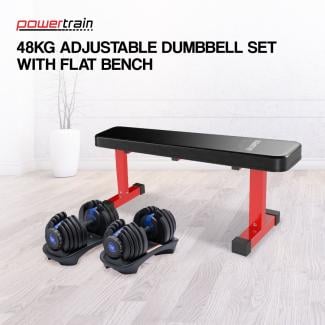 Out of stock
-
 -20%$223 $279Save $56
-
 -15%
-
 Out of stock
-
 -20%$231 $289Save $58Free shipping*
-
 -40%$89 $149Save $60Free shipping*
-
 -15%$169 $199Save $30Free shipping*
-
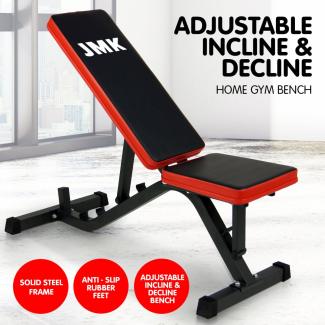 -10%$179 $199Save $20Free shipping*
-
 Out of stock$299Free shipping*
-
 -40%$269 $449Save $180Free shipping*
-
 -50%$124 $249Save $125Free shipping*
-
-
Gym bench buying guide
A good weight bench turns a pair of dumbbells into a complete upper-body workout: flat and incline presses, rows, flyes, step-ups and decline sit-ups. Here's how our gym benches compare, and how to choose between a flat bench, an adjustable bench and a FID bench.
Compare our gym benches
| Bench | Type | Adjustment | Max load |
|---|---|---|---|
| Flat Bench Press | Flat | Fixed | 110kg |
| Adidas Essential Flat Bench | Flat | Fixed | 136kg (300lb) incl. user |
| Adjustable Weight Bench with Resistance Bands | Flat, incline, decline | 7 backrest positions | 150kg |
| Incline Decline Exercise Bench with Resistance Bands | Incline, decline | Adjustable backrest | 150kg |
| Adjustable Incline Decline Home Gym Bench | FID | Both ends adjust | 150kg |
| FID Bench with Preacher Curl Pad | FID + preacher curl | Both ends adjust | 150kg |
| Heavy Duty FID Bench | FID | Adjustable backrest | 250kg |
| Adjustable Dumbbell Bench | Flat, incline, decline | 5-way backrest, 3-way seat, wheels | 200kg |
| JX190 Multi Workout Bench | Adjustable | Backrest, seat and leg holder | 276kg |
| 302 Bench Press | Bench press station | Multi-level incline, bar height, preacher curl, leg curl/extension | – |
Flat, adjustable or FID bench?
- Flat bench – the simplest and most stable option for flat presses, rows, step-ups and hip thrusts. A good choice if space and budget are tight.
- Adjustable (incline) bench – the backrest lifts to an incline for incline presses and seated shoulder presses, so you can train your chest and shoulders at different angles.
- FID bench – flat, incline and decline. The decline setting, with a leg holder to lock your feet in, adds decline presses and decline sit-ups for your core.
If you train with adjustable dumbbells, an adjustable or FID bench gets the most out of them. Add a preacher curl pad or leg curl attachment if you want arm and leg isolation work from the same bench.
What to check before you buy
- Max load – this includes your body weight plus the weight you lift. Our benches range from 110kg to 276kg.
- Adjustment – more backrest positions means finer control over the angle. A separate seat adjustment stops you sliding down on steep inclines.
- Space – allow room around the bench for your arms and dumbbells. Benches with wheels and a handle are easier to move out of the way after a workout.
Build your home gym
Pair your bench with a set of adjustable dumbbells or an adjustable kettlebell, or step up to a multi station home gym for cable and weight-stack exercises.
Delivery, pick-up and payment
Our gym benches are stocked in our own Melbourne warehouse. In-stock orders are generally dispatched within one business day, and delivery to metro areas including Sydney, Melbourne, Brisbane, Perth and Adelaide is usually 1–5 business days (longer for regional and remote areas). You can also pick up from our Melbourne showroom, open 7 days – please call first to check stock. Pay with Afterpay, Zip, Klarna, PayPal or card.
Gym bench FAQs
What is a FID bench?
FID stands for flat, incline and decline – the three positions the bench can be set to. It is the most versatile type of weight bench for a home gym.
Do I need an adjustable gym bench?
Not to start. A flat bench covers the basics, but an adjustable bench adds incline and seated exercises that work your upper chest and shoulders, so most people end up wanting one.
Can I bench press at home without a spotter?
Dumbbells are the safer choice when you train alone, because you can simply lower them to the floor if you can't finish a rep. If you use a bar, choose a weight you can control and stop a rep or two short of failure.